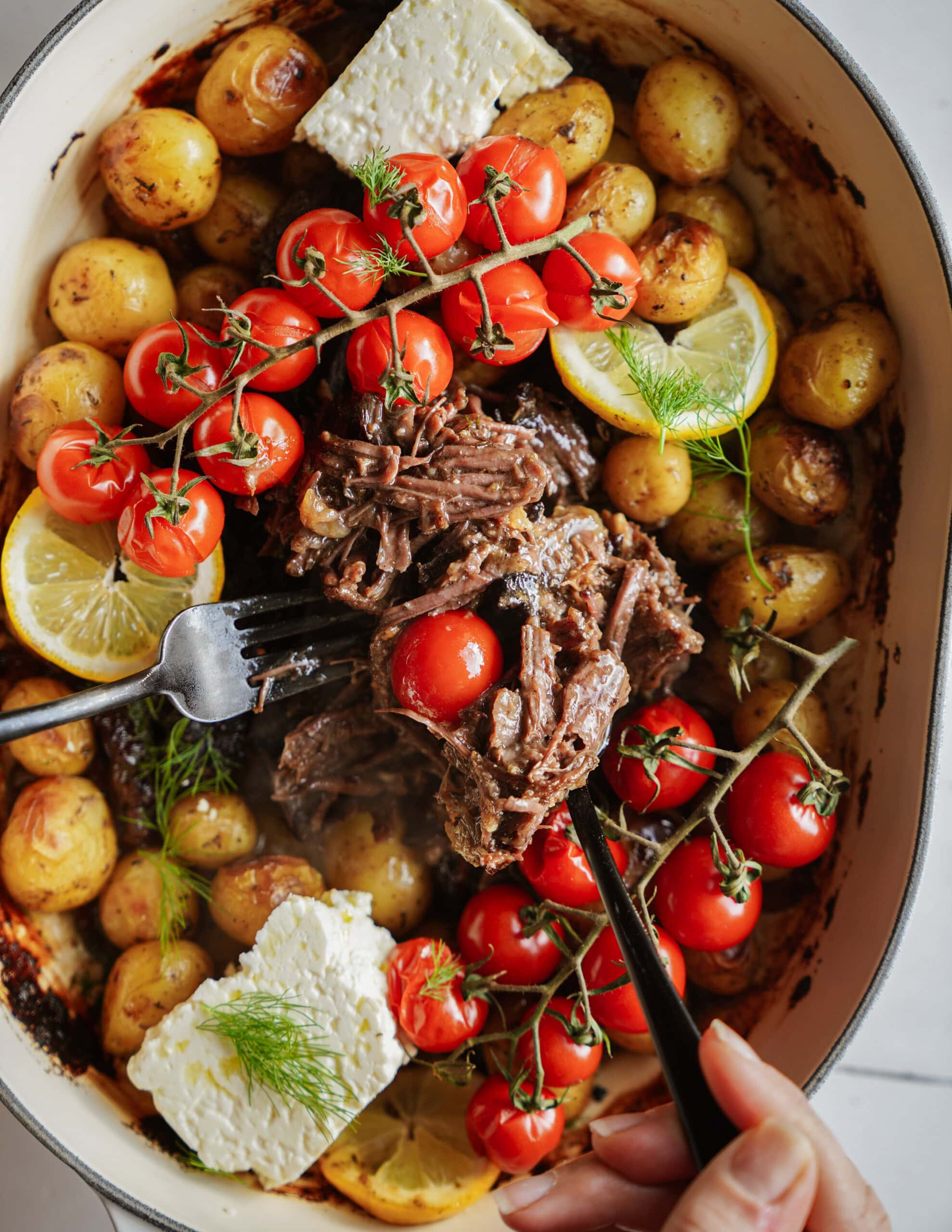
Imagine a meal that promises deep comfort, fills your home with tantalizing aromas, and delivers melt-in-your-mouth tenderness, all while being surprisingly economical. This isn't a culinary dream; it's the reality of a perfectly executed greek braised chuck roast. Far from the bland pot roasts of yesteryear, this Hellenic-inspired rendition elevates a humble cut of beef into a gourmet experience that's both budget-friendly and deeply satisfying.
The beauty of a Authentic Greek Braised Chuck Roast: Tender, Rich, & Flavorful lies in its layers of flavor and inherent versatility. Infused with bright lemon, aromatic herbs, and savory pan juices, it transforms into a rich, fork-tender delight. It’s the kind of dish that gets even better overnight, making it an ideal candidate for meal prep, stress-free entertaining, or simply a cozy family dinner on a chilly evening.
The Humble Chuck Roast: Your Secret Weapon for Gourmet Flavor
Often overlooked in favor of pricier cuts, the chuck roast is a true unsung hero in the world of slow cooking. Hailing from the shoulder of the cow, this cut is inherently robust, packed with connective tissue and generous marbling. While these characteristics might make it less suitable for quick grilling, they are precisely what make it the *perfect* candidate for braising.
Why Chuck Roast Excels in Braising
- Budget-Friendly: Chuck roast is one of the most economical beef cuts available, allowing you to create a luxurious meal without breaking the bank.
- Connective Tissue Transformation: The extensive collagen and connective tissues within the chuck roast break down slowly during the long cooking process. This is the magic that transforms a seemingly tough cut into incredibly tender, succulent meat.
- Rich Marbling: The streaks of fat (marbling) throughout the chuck roast melt into the meat as it cooks, imparting incredible juiciness and depth of flavor.
- Forgiving Nature: Unlike leaner cuts, chuck roast is very forgiving. It thrives on extended cooking times, meaning you don't have to worry about overcooking it to dryness. If it feels a little tough, it simply needs more time to tenderize.
When selecting your chuck roast, look for a piece with good marbling and a deep red color. A well-marbled chuck will yield a more flavorful and juicy result.
Unlocking the Mediterranean Magic: What Makes it Greek?
What sets a greek braised chuck roast apart from a traditional pot roast is its distinctive Mediterranean flavor profile. It's an exciting twist on a familiar comfort food, drawing inspiration from classic Greek dishes like kokkinisto (slow-cooked meat in a rich tomato sauce) and kapama (braised meat with warm spices).
This isn't just about adding a few herbs; it's about building a complex, vibrant base that complements and enhances the richness of the beef. Here's what gives it that undeniable Greek character:
- Tomato-Rich Sauce: A robust tomato base forms the foundation, providing a savory and slightly sweet backdrop for the meat. This is a cornerstone of Greek braising.
- Aromatic Herbs & Spices: Garlic and oregano are indispensable, infusing the dish with classic Greek aromas. A subtle hint of warm spices, like a pinch of cinnamon or allspice (common in Greek cooking), can add an unexpected layer of complexity that elevates the dish far beyond a standard pot roast.
- Bright Acidity from Lemon: This is a game-changer. A generous squeeze of fresh lemon juice, often added towards the end or even cooked with the meat, cuts through the richness of the beef and tomato, adding a necessary brightness and zest that balances the flavors beautifully. This splash of acidity is key to the "livelier, more complex flavor" mentioned in the reference context, making it far more dynamic than herb-only braises.
- Extra Virgin Olive Oil: The cornerstone of Greek cuisine, good quality extra virgin olive oil contributes its fruity, peppery notes and richness to the braising liquid.
This combination creates a sauce that's not just thick and savory, but also bright, herbaceous, and incredibly aromatic – perfect for soaking up with crusty bread or spooning over your favorite starch. It’s this unique blend that makes your Elevate Your Pot Roast: Greek Braised Chuck Roast with Bright Flavors truly special.
Mastering the Art of Braising: Essential Techniques for Fork-Tender Perfection
Achieving that coveted "fork-tender" texture and deep, complex flavor in your greek braised chuck roast isn't complicated, but it does rely on a few fundamental braising principles. These steps are crucial for transforming a simple chuck roast into a culinary masterpiece.
The Golden Rule: Browning for Unmatched Depth
This is arguably the single most important step for building flavor in any braised dish. Browning the roast before you even think about adding liquid is a non-negotiable step for a truly flavorful outcome. Here's why:
- Maillard Reaction: The high heat searing creates a golden-brown crust on the meat through the Maillard reaction. This chemical process develops hundreds of new flavor compounds, resulting in rich, savory notes that are impossible to achieve otherwise.
- Building the "Fond": As the meat sears, delicious browned bits (known as "fond") stick to the bottom of the pot. These bits are packed with concentrated flavor and will dissolve into your braising liquid later, adding immense depth and complexity to your sauce. Skipping this step is often why home braises can taste flat or one-dimensional.
Pro Tip for Searing: Pat your chuck roast very dry with paper towels before searing. Moisture inhibits browning. Use a heavy-bottomed pot (like a Dutch oven) over medium-high heat with a little oil. Don't overcrowd the pan; sear in batches if necessary to ensure good contact with the hot surface and even browning on all sides.
Braising, Not Boiling: The Liquid Balance
A common misconception is that braising means submerging the meat entirely in liquid. In reality, a true braise involves partially submerging the roast. The general rule is to have the liquid come about one-third to halfway up the sides of the meat. This careful balance allows for a dual cooking process:
- The submerged portion of the meat gently stews in the flavorful liquid, absorbing all those incredible Greek aromatics.
- The exposed portion of the meat effectively roasts, developing a slightly crusty exterior and contributing to a richer, more varied texture.
This method prevents the meat from becoming waterlogged and ensures the flavors are concentrated rather than diluted.
The Virtue of Patience: Low and Slow Does It
Braising is the antithesis of fast cooking. For a greek braised chuck roast, patience is your most valuable ingredient. Low and slow cooking, typically in an oven or slow cooker, allows ample time for the connective tissues to break down into gelatin, yielding that signature fork-tender texture. If your roast ever seems tough after a few hours, don't despair – it almost always just needs more time. Continue cooking it until it yields easily to a fork.
Maintaining a gentle simmer, rather than a rolling boil, is also key. A slow, steady heat ensures even cooking and prevents the meat from toughening up prematurely.
Beyond the Pot: Serving & Savoring Your Greek Braised Chuck Roast
Once your greek braised chuck roast is fork-tender and fragrant, the serving possibilities are endless. The rich, aromatic sauce is practically begging to be paired with something that can soak up every last drop.
- Creamy Mashed Potatoes: A classic pairing, the fluffy potatoes provide a perfect bed for the succulent beef and absorb the flavorful Greek sauce beautifully.
- Fluffy Rice or Orzo: Simple steamed rice or small, pasta-like orzo are excellent choices for soaking up the rich juices.
- Crispy French Fries: For a more casual, diner-style Greek experience, serving kokkinisto-inspired beef over fries is surprisingly delicious.
- Pasta or Polenta: Consider serving it over a wide pasta noodle like pappardelle, or creamy polenta for an Italian-Greek fusion.
- Crusty Bread: Don't forget a generous loaf of crusty bread for dipping directly into that incredible, bright red sauce!
- Simple Side Salad: A refreshing green salad with a light vinaigrette can provide a welcome contrast to the richness of the meat.
And remember, one of the greatest virtues of this dish is that it tastes even better the next day. The flavors meld and deepen overnight, making it perfect for make-ahead meals or relaxed entertaining.
Pro Tips for a Flawless Greek Braised Chuck Roast
- Quality Ingredients Matter: While the chuck roast is budget-friendly, don't skimp on quality for other ingredients. Good canned tomatoes, fresh lemon, fresh garlic, and quality dried oregano (or fresh, if available) will make a noticeable difference.
- Don't Rush the Sauté: After browning the meat, take your time to properly sauté your aromatics (onions, garlic) until softened and fragrant. This builds another layer of flavor.
- Deglaze Thoroughly: After searing the meat and sautéing aromatics, use a splash of wine, broth, or even water to scrape up all those browned bits (fond) from the bottom of the pot. This is flavor gold!
- Taste and Adjust: Always taste your braising liquid before the long cook and again before serving. Adjust seasoning as needed – a pinch more salt, a grind of black pepper, or a final squeeze of lemon juice can brighten everything up.
- Rest the Meat: Once cooked, allow the chuck roast to rest for 10-15 minutes before shredding or slicing. This allows the juices to redistribute, ensuring maximum tenderness and moisture.
A greek braised chuck roast is more than just a meal; it's an experience. It's the aroma filling your kitchen, the satisfying warmth on a cool evening, and the delight of tender, flavorful beef that costs a fraction of what it tastes like. Embrace the humble chuck, learn the art of Greek braising, and prepare to impress your taste buds and your guests with this truly gourmet, yet utterly approachable, dish.
